
Digital transformation is no longer just a public sector issue or a Belfast tech conversation. Across Northern Ireland, small businesses, social enterprises, charities and growing local firms are under pressure to modernise how they work. Flexible IT Project Management in NI gives businesses access to experienced project leadership, helping them improve how work is planned, delivered and managed—without the cost of permanent recruitment.
Across the Causeway Coast, the North Coast and wider Northern Ireland, many small businesses are trying to move beyond paper, manual spreadsheets and admin, outdated websites and disconnected processes. The ambition is there. The pressure is there, the delivery support is often missing.
That is where the real problem starts.
A 2025 Northern Ireland Audit Office review found that 29 major public sector IT projects had an estimated whole life cost of £5.2bn. It also found that 58% of live major IT projects had Red or Amber status (impacting risk and delivery), with an average delivery journey of almost 6.5 years from approved business case to business as usual.
Those figures relate to large government projects, not local websites or small business software rollouts. Even so, they carry a useful warning for every organisation in Northern Ireland.
Digital projects rarely struggle because people want different outcomes. They struggle because the planning is too light, the scope is unclear, the supplier is not managed properly, the budget moves, the team is not ready (in place or with skill gaps) and nobody has enough time to keep the project on track.
For a small business, that can turn a useful digital project into a long, expensive headache.
Why Flexible IT Project Management in NI matters for local businesses
Northern Ireland is a small business economy. A 2025 Ulster University briefing reported that 89% of registered businesses in Northern Ireland are micro businesses (with fewer than 10 employees).
The local picture is even sharper in Causeway Coast and Glens. Invest NI’s council briefing shows that 92% of registered businesses in the area are micro businesses (with 0 to 9 employees). It also notes that the figure excludes smaller businesses and those self employed people below VAT thresholds.
That matters because most micro businesses do not have a spare person sitting ready to manage a digital project.
- The owner is dealing with customers.
- The manager is handling staff.
- The admin lead is chasing paperwork.
- The finance person is watching cash flow.
Then a software project, website build, automation project or grant funded rollout lands on top of the day job.
And so the risk to delivery, funding being paid and reputation enters.
Experienced Project Managers can cost far more than many can justify. The National Careers Service lists project manager salaries from £35,000 for starters to £60,000 for experienced professionals, before employer costs, recruitment time and wider overheads are considered.
That is why flexible support matters. It gives smaller organisations access to project structure, supplier coordination and delivery discipline without the long term cost of a permanent hire.
The £5.2bn lesson for smaller digital projects
The Northern Ireland Audit Office report is about major public sector IT projects, but the lessons are easy to recognise in smaller organisations.
The report highlighted systemic capacity and capability issues, single year budget pressures, legacy systems and inconsistent planning across departments. It also found that many major projects were facing significant issues and that almost 60 per cent of live projects had Red or Amber status.
- A small business will not face the same scale of complexity. However, the same delivery patterns often appear.
- A project starts before the business knows exactly what it needs.
- A supplier proposal sounds impressive, but the deliverables are not clear.
- Costs are agreed loosely and don’t take into account increases due to timing and procurement requirements.
- Stakeholders and communications aren’t fully realised.
- Timelines depend on hopeful outcomes / targets rather than defined planning and supported sprints.
- Testing isn’t folded into the process.
- Staff are expected to use a new system without enough training (or change management involved at all).
As a result, the business pays for technology that should make life easier, but ends up creating more admin, more questions and more frustration.
Good project management does not remove every risk. However, it makes the risks visible early enough to deal with them.
The innovation funding gap many SMEs miss
Digital funding in Northern Ireland can be useful, but it is important to understand what each fund is actually designed to support and many businesses need better digital foundations before they are ready for advanced transformation. They may need a robust processes, stronger website, improved enquiry forms, a cleaner booking process, better customer records, a more reliable CRM setup, clearer reporting or a smoother admin workflow.
Those needs are practical. They can improve sales, service and productivity. However, they may not always fit the criteria for advanced innovation funding.
That is why the planning stage matters.
Before applying for funding, speaking to suppliers or committing money, a business needs to know what kind of project it has. Is it digitisation, digital transformation, operational improvement or a phased journey from one to the other?
Without that clarity, the business can waste time chasing the wrong fund or trying to force a simple need into language that does not match the work.
The hidden delivery problem in grant funded projects
Winning funding is exciting but does not automatically make a project deliverable.
Delivering the project is where many organisations begin to feel overwhelmed.
Suddenly there are suppliers, deadlines, paperwork, budgets, claims and decisions – all while trying to keep the day job running.
That’s where practical project support can make all the difference.
In some cases, funding creates a new pressure. The business now has deadlines, paperwork, supplier quotes, match funding, claim stages and evidence requirements to manage alongside the project itself as successful applicants claim the value of funding after they have paid for the project in full.
That means the business may need to carry cost, manage supplier delivery and keep records before the grant money is fully received.
For a small team, this can be a lot.
- If the supplier is late, the pressure sits with the business.
- If the scope is unclear, the cost can move.
- If the evidence is weak, the claim can become harder.
- If staff do not adopt the system, the project may tick a funding box but fail inside the business.
This is where Flexible IT Project Management in NI becomes more than a nice extra. It can protect the project from drifting, help keep suppliers accountable and give the business a better chance of turning funding into useful change.
The same delivery challenge appears across sectors
The delivery gap is not only an SME issue.
The Voluntary, Community and Social Enterprise sector faces its own digital challenges. Research linked to the Community Foundation for Northern Ireland and NICVA found that the most commonly identified barriers to digital inclusion included poor digital skills, affordability of data costs and lack of suitable devices.
Healthcare innovation also shows how difficult digital delivery can be when systems are fragmented. A Healthcare Innovation Consortium paper on Northern Ireland highlighted challenges around collaboration, adoption, scaling, unclear roles, resource constraints, procurement, skills and digital capacity.
Different sectors have different pressures, but the pattern is familiar.
- Good ideas need structure.
- Funding needs careful planning.
- Suppliers need proper management.
- Teams need support.
- Outcomes need to be clear before delivery begins.
Without these things, digital projects become harder than they need to be.
Where local digital projects usually go wrong
Most digital projects do not collapse in one dramatic moment. They drift slowly.
First, the project starts with a good idea but no clear scope.
Then the supplier writes a proposal that sounds polished, but the business does not fully understand what is included.
After that, small changes begin to appear.
- A form needs another field.
- A booking process needs another step.
- A report needs another export.
- A manager asks for another dashboard.
None of these changes seem huge on their own. Together, those small changes increase costs, delay delivery and blur what the supplier originally agreed to provide.
Meanwhile, the business owner is still trying to run the business.
There are customers to serve, staff to manage, orders to process, invoices to send and daily problems to solve. The digital project slips to the bottom of the priority list, only getting attention after the day’s work is done – usually late in the evening when everyone is already tired.
By the time the system is ready, the team may not be ready for it.
- Training is rushed.
- Testing is thin.
- Documentation is missing.
- Staff quietly return to the old way because the old way feels safer.
The project may technically launch, but the business does not really change.
How Flexible IT Project Management in NI helps
Flexible IT Project Management in NI gives smaller organisations access to structured delivery support only when they need it.
Every project needs different levels of support
For one business, it might mean reviewing a supplier proposal before signing.
Or helping write the scope, plan milestones and prepare a delivery roadmap.
How about for grant funded project, tracking tasks, risks, supplier updates, evidence and claim requirements.
It might involve a website or software rollout, coordinating content, testing, launch checks, training and handover.
- The purpose is simple.
- Keep the work clear.
- Keep the supplier accountable.
- Keep the business informed.
- Keep the project moving.
This is not about adding corporate weight to a local business. It is about giving the business enough structure to avoid avoidable mistakes.
What practical project support can include
Flexible project support can cover the parts of a digital project that often get missed.
- Supplier review and proposal checks
- Scope and requirements planning
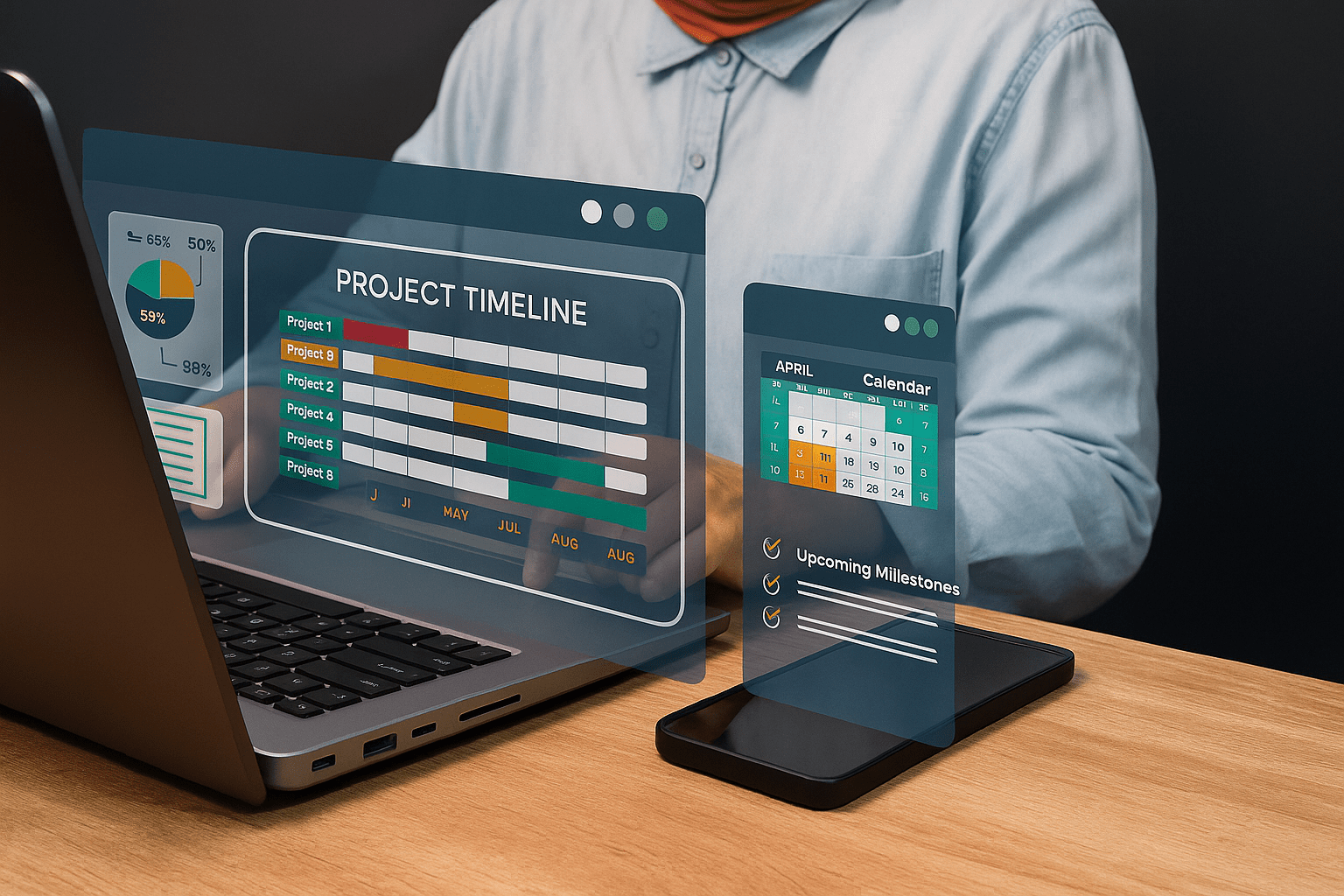
- Timeline and milestone control
- Budget and change control
- Staff adoption and handover
- A careful note on funding project management
Don’t assume project management will be covered by a grant.
Build it into your plans from the beginning.
A small investment in project support can prevent costly delays, poor supplier management and low staff adoption.
How Forge Up can help
Forge Up helps businesses across the Causeway Coast, North Coast and wider Northern Ireland plan and deliver digital work with more clarity.
Our focus is practical. We help organisations understand what they are trying to achieve, shape the project properly, work more clearly with suppliers and keep delivery moving.
That can include project management support, business operations support, admin systems, training and web and digital development, depending on what the organisation needs.
We work with SMEs, start ups, established businesses and non-profit organisations that need dependable support without building a full internal project team.
That might mean helping with a new website.
Maybe supporting a grant funded software project.
Or assisting a team move away from manual processes.
We can review a supplier proposal before the business commits.
Better yet – help staff understand and use a new system after launch.
The aim is not to make digital work sound more complicated. The aim is to make delivery clearer, calmer and easier to manage.
Why this matters on the Causeway Coast and across Northern Ireland
Local businesses often work with lean teams and tight margins.
Tourism businesses face seasonal pressure.
Retailers need smoother online and in store journeys.
Professional services firms need better admin and client communication.
Community organisations need stronger digital confidence.
Growing SMEs need systems that can scale without creating more manual work.
For many of these organisations, digital progress is not about chasing the latest trend. It is about making the business easier to run, easier to find, easier to trust and easier to grow.
That is why Flexible IT Project Management in NI has a practical role to play.
We help local organisations turn digital ambition into practical, well-delivered solutions that people actually use.
Ready to deliver your next digital project
Digital transformation does not need to start with a permanent hire or a large internal team.
It needs a clear plan, the right supplier, realistic scope, proper governance and someone keeping the work moving.
If your business is planning a funded digital project, struggling with an IT supplier, reviewing a software proposal or unsure whether your idea fits the available support in Northern Ireland, Forge Up can help you take the next practical step.
Speak to Forge Up about Flexible IT Project Management in NI and get practical support to move your project from idea to delivery with more clarity, control and confidence.